
Antique and Furniture Repair in Pittsburgh, PA
Restore the Beauty and Character of Your Antique and Wooden Furniture
Antique and wooden furniture often carries more than practical value. It can hold family memories, reflect a particular period of craftsmanship, or have a unique design that is difficult to replace. Over time, everyday use, moving, moisture, scratches, loose joints, and aging finishes can affect its appearance and condition. Professional repair can help address these problems while preserving the character that makes each piece special.
At Donovan Woodworking & Sawmill, antique and furniture repair is about giving existing wooden pieces careful attention rather than immediately replacing them. Whether a furniture item needs structural repairs, attention to damaged areas, or a refreshed finish, the right approach begins with understanding its construction, condition, and original details. The goal is to improve its usability and appearance while respecting the features that make it worth keeping.
Featured Antique and Furniture Repair Services
Furniture damage can range from small surface scratches to loose joints, broken components, and worn finishes. Some issues affect only the appearance of a piece, while others can make it unstable or difficult to use. Identifying the type of damage is an important first step because the repair method should match the problem and the furniture’s construction.
Antique furniture may require additional care because older pieces can have distinctive joinery, delicate details, and finishes that should not be removed unnecessarily. A thoughtful repair plan considers the age, materials, existing condition, and intended use of the furniture. This helps protect original character while addressing the damage that has developed over time.
Antique Furniture Restoration
Antique furniture restoration focuses on improving the condition of older furniture while retaining the details that give it historical and visual character. Over years of use, antique tables, chairs, cabinets, and other wooden pieces may develop surface wear, loose connections, scratches, or damaged decorative elements. Each piece should be assessed individually before deciding which repairs or restoration methods are appropriate.
Preserving original details is especially important when working with older furniture. Original wood features, construction methods, decorative accents, and existing finishes may contribute to the identity and value of a piece. Instead of making unnecessary changes, restoration should aim to address the areas that need attention while keeping as much of the original character as practical.
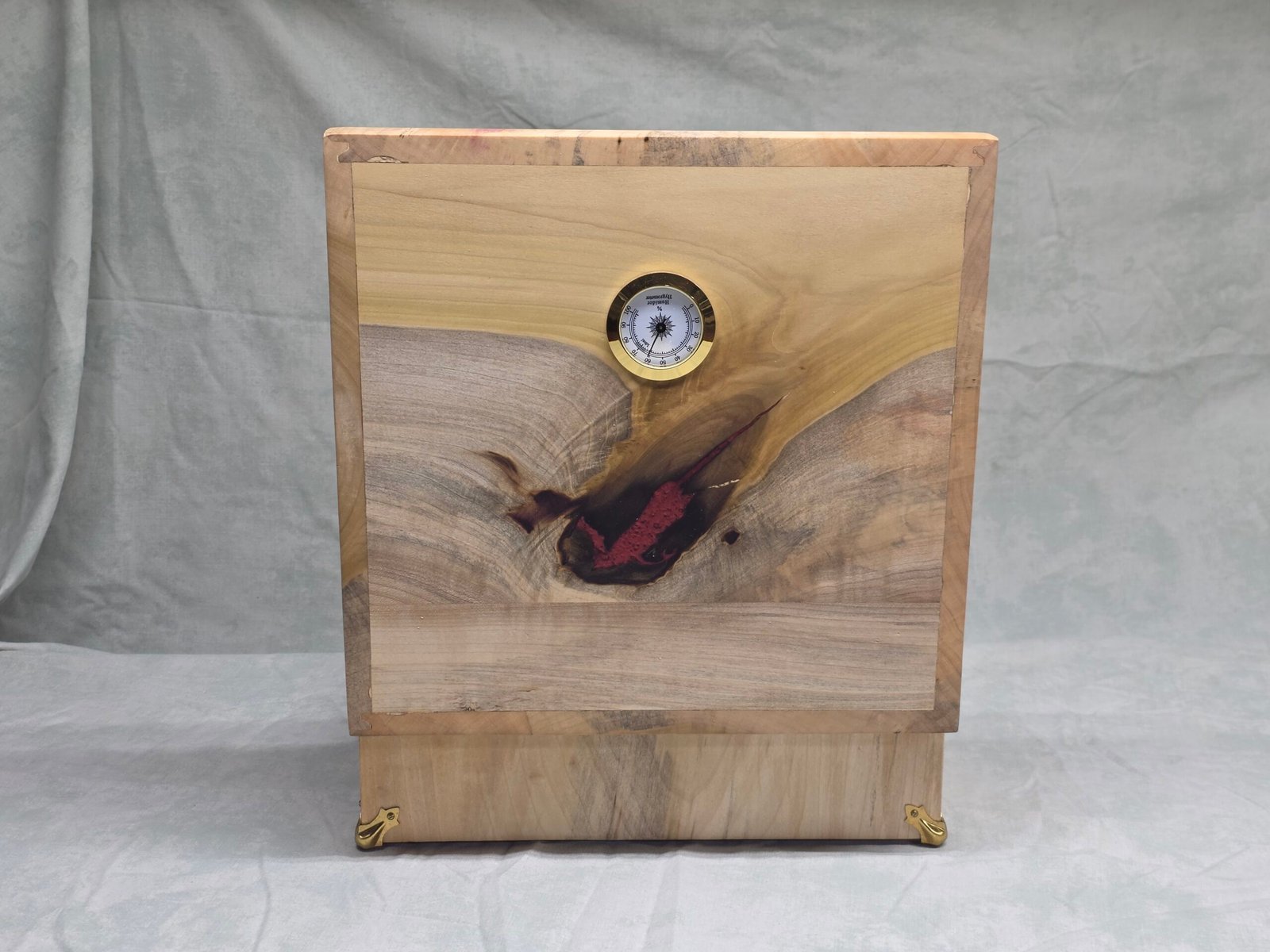
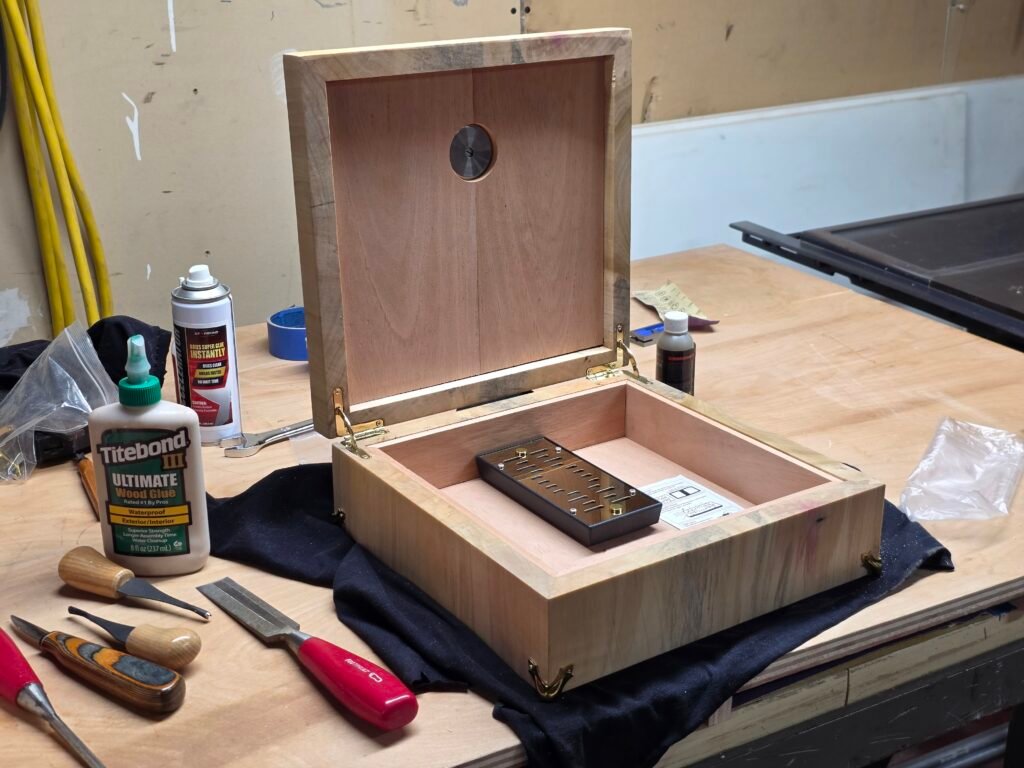
Wooden Furniture Repair
Wooden furniture can become damaged through regular use, accidental impacts, movement, and changes in indoor conditions. Loose legs, weakened joints, cracked components, damaged edges, and broken wooden sections can affect both the appearance and stability of a piece. Repairing these problems may help extend the useful life of furniture that would otherwise be difficult to use.
The appropriate repair depends on the type and location of the damage. A loose joint may require careful reassembly, while a cracked or missing section may need a more involved woodworking repair. Matching the existing construction and appearance is important so the repaired area looks appropriate alongside the original furniture rather than appearing like an unrelated replacement.
Furniture Refinishing and Surface Restoration
A furniture finish can become dull, scratched, stained, or worn after years of handling and exposure. Refinishing can improve the appearance of suitable wooden surfaces by addressing the damaged finish and applying an appropriate new surface treatment. The process should begin with an assessment of the existing finish and the condition of the wood beneath it.
Not every antique piece should be completely refinished. In some cases, preserving an original finish is more appropriate than removing it, particularly when the existing surface contributes to the furniture’s character. The right decision depends on the furniture’s age, condition, finish type, and restoration goals. Careful evaluation helps determine whether a light surface improvement or more extensive refinishing is suitable.
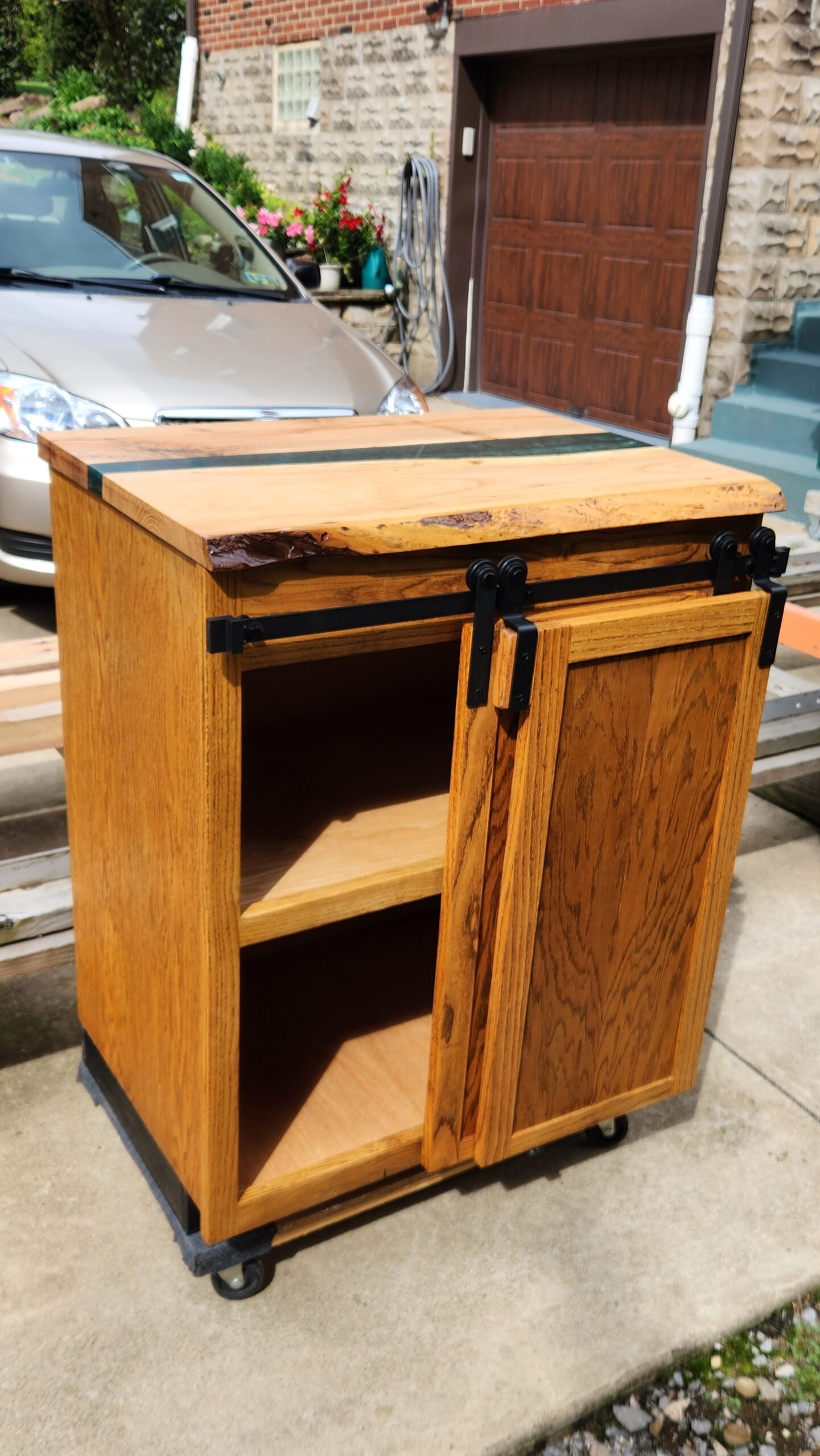
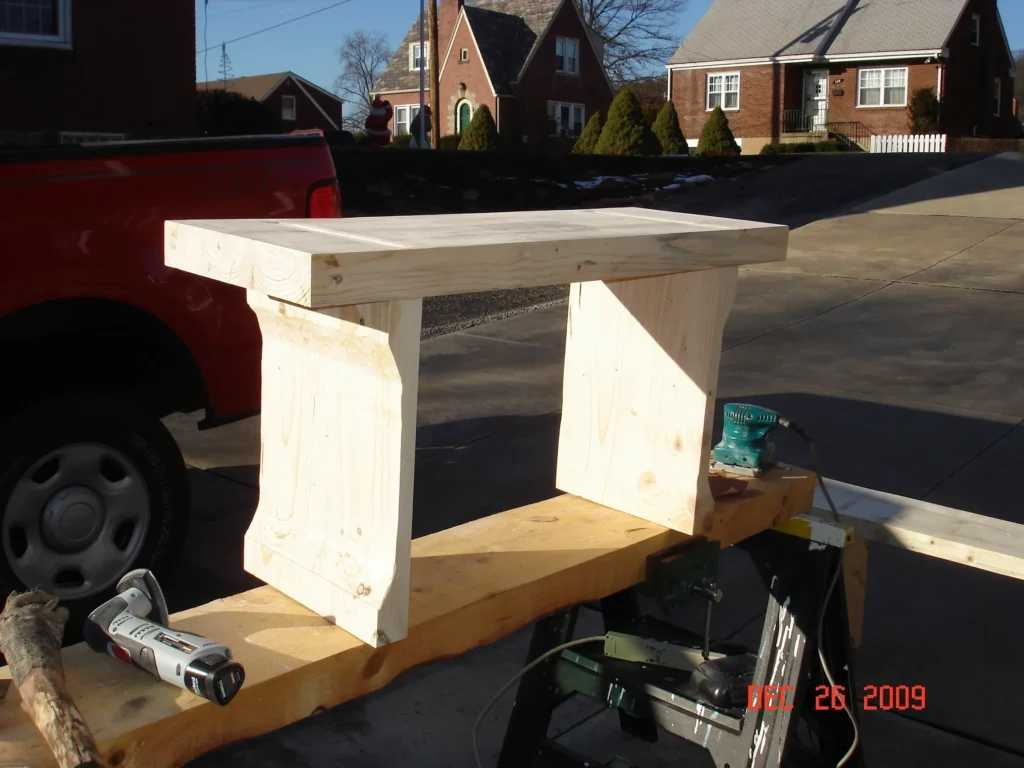
Repairing Loose Joints and Broken Furniture Parts
Furniture joints help hold a piece together and support its everyday use. With age and repeated movement, joints can loosen, separate, or weaken. This may cause chairs to wobble, table frames to shift, or other furniture components to become unstable. Ignoring these issues can lead to additional damage, so identifying weak connections early is important.
Repairing loose joints requires attention to the original construction and the condition of the surrounding wood. The repair method should provide appropriate support without causing unnecessary changes to the furniture. Broken wooden components may also need careful repair or replacement, depending on the extent of the damage and whether the original part can be preserved.
Repairing Scratches, Dents, and Surface Damage
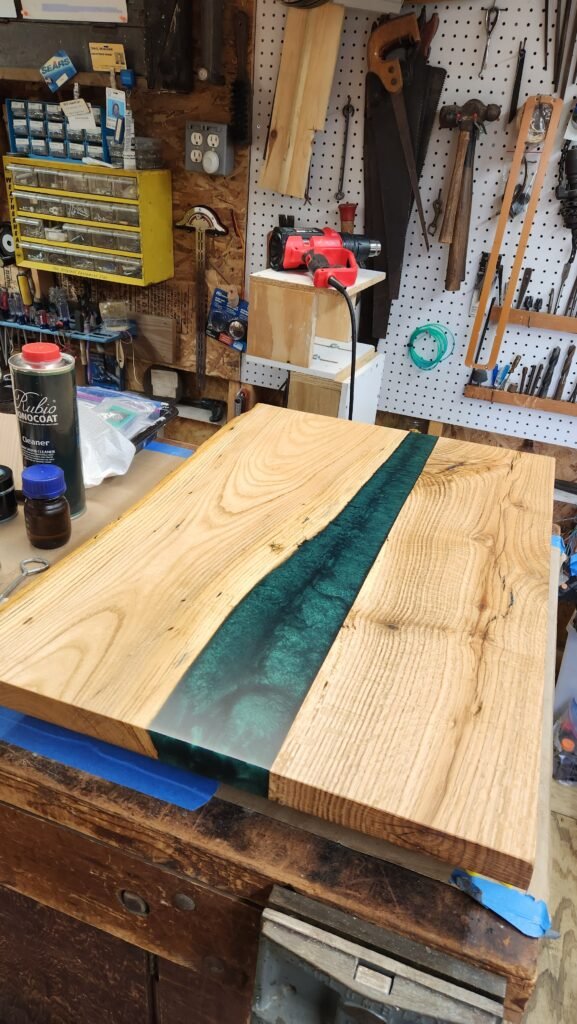
Scratches, dents, small chips, and worn edges are common signs of furniture use. While some marks add to the character of older furniture, deeper damage can make a piece look neglected or expose the wood to further wear. Surface repairs can help improve the overall appearance while keeping the natural features of the furniture visible.
The repair approach depends on the depth and location of the damage, the type of wood, and the existing finish. Minor marks may need a different treatment from deep scratches or missing sections. Matching the surrounding color, grain, and finish is important for creating a more consistent appearance and avoiding repairs that stand out unnecessarily.
Preserving Original Wood Details and Craftsmanship
Many antique furniture pieces feature details that reflect the woodworking techniques and design preferences of their time. These may include turned legs, shaped edges, decorative trim, carved sections, distinctive joinery, or carefully arranged wood grain. When furniture is repaired, these features should be considered part of the piece’s identity rather than treated as details to change without reason.
Preservation requires patience and a clear understanding of the furniture’s existing construction. Repairs should be planned around the original design wherever practical, especially when working with delicate or unusual components. Keeping original details intact can help maintain the appearance and character of furniture while making it more suitable for continued use.
Repairing and Restoring Wooden Tables and Chairs
Tables and chairs often experience frequent handling and regular weight-bearing use. Over time, table legs may loosen, surfaces may become scratched, and chair frames or joints may weaken. These problems can affect the comfort, stability, and appearance of furniture, making timely assessment and appropriate repair important.
Each item has different structural requirements. A dining table may need attention to its frame, legs, or surface, while a wooden chair may require repairs to its joints, seat, or supporting components. Understanding how the furniture is assembled helps guide the repair process and supports a result that is appropriate for the item’s original design and intended use.
Choosing Between Furniture Repair and Replacement
Replacing damaged furniture is not always the best option, particularly when a piece has sentimental importance, distinctive craftsmanship, or a design that is difficult to find today. Repair may be worth considering when the main structure is still sound or when the damaged areas can be addressed without compromising the rest of the piece. It can also help retain furniture that has been part of a home for many years.
However, not every item is suitable for restoration. Extensive structural damage, severe wood deterioration, previous repairs, or missing components may affect the time and work required. A careful assessment can help establish what is practical, which parts may be preserved, and whether repair is likely to meet your expectations. Understanding the condition before starting is the best way to make an informed decision.
Care and Maintenance After Furniture Repair
After furniture has been repaired or refinished, regular care can help maintain its condition. Use appropriate cleaning methods for the specific finish, avoid harsh household chemicals unless the finish manufacturer recommends them, and protect surfaces from excessive moisture, heat, and direct sunlight. Coasters, protective pads, and careful handling can also reduce everyday wear.
Indoor environmental conditions matter as well. Significant changes in humidity can cause natural wood to expand or contract, which may affect joints and surfaces over time. Keeping furniture in a reasonably stable indoor environment and addressing small issues early can help reduce the risk of further damage. Follow any care guidance provided for the particular repair or finish.
Antique and Furniture Repair in Pittsburgh, PA
If you have an antique or wooden furniture piece that needs attention, Donovan Woodworking & Sawmill can help you discuss its condition and possible repair needs. Sharing clear photographs of the furniture, the damaged areas, and any details you want preserved can be a useful starting point. Information about the item’s age, previous repairs, and intended use may also help with an initial evaluation.
Every furniture piece has its own construction, history, and condition, so repairs should be considered individually. Whether you are concerned about loose joints, damaged wood, surface wear, or preserving original details, a careful approach can help determine the most suitable next step. Contact Donovan Woodworking & Sawmill to discuss your antique and furniture repair project in Pittsburgh, PA.
Serving Pittsburgh and Surrounding Communities
Donovan Woodworking & Sawmill is based at 425 Highland Avenue in East Pittsburgh, PA 15112, and serves customers in Pittsburgh and surrounding communities. Whether you are planning a live-edge centerpiece, practical shelving, a custom table, or milling for your own logs, start with a conversation about what you need.
Call (412) 593-6444 to discuss a project.
Frequently Asked Questions
Repair possibilities depend on the furniture’s materials, construction, age, and condition. Wooden tables, chairs, cabinets, and other antique pieces may be suitable for repair when the damaged areas can be addressed appropriately.
Repair may be a good option when the furniture has sentimental value, distinctive craftsmanship, or a structure that can be restored. The extent of the damage and the cost and practicality of the work should be considered before making a decision.
In many cases, repairs can be planned to preserve as much of the original appearance as practical. The approach depends on the condition of the wood, existing finish, construction, and any original decorative details.
Many scratches and dents can be improved, but the appropriate method depends on their depth, location, wood type, and finish. Some surface marks may be reduced, while deeper damage may require more involved repair work.