Traditional and Slab River Tables in Pittsburgh, PA
Custom Wood Tables Made with Natural Character and Craftsmanship
At Donovan Woodworking & Sawmill, we appreciate the natural beauty of wood and its ability to become functional, distinctive furniture. Traditional wood tables and slab river tables offer different ways to bring natural materials into your home or business while highlighting the unique grain patterns, colors, textures, and shapes of wood. Whether you prefer a timeless wooden tabletop or a distinctive live-edge table featuring epoxy resin, the right design can add character to your interior while serving a practical purpose.
Choosing a table involves more than finding an attractive piece of wood. The dimensions, wood species, surface finish, support structure, and intended use all influence the finished product. A dining table needs to accommodate seating comfortably, while a coffee table should fit naturally within the living area. River tables also require careful consideration of slab arrangement and resin design. Serving Pittsburgh, PA, and surrounding communities, Donovan Woodworking & Sawmill focuses on the natural character of wood and the possibilities it offers for woodworking projects.
Feature Product
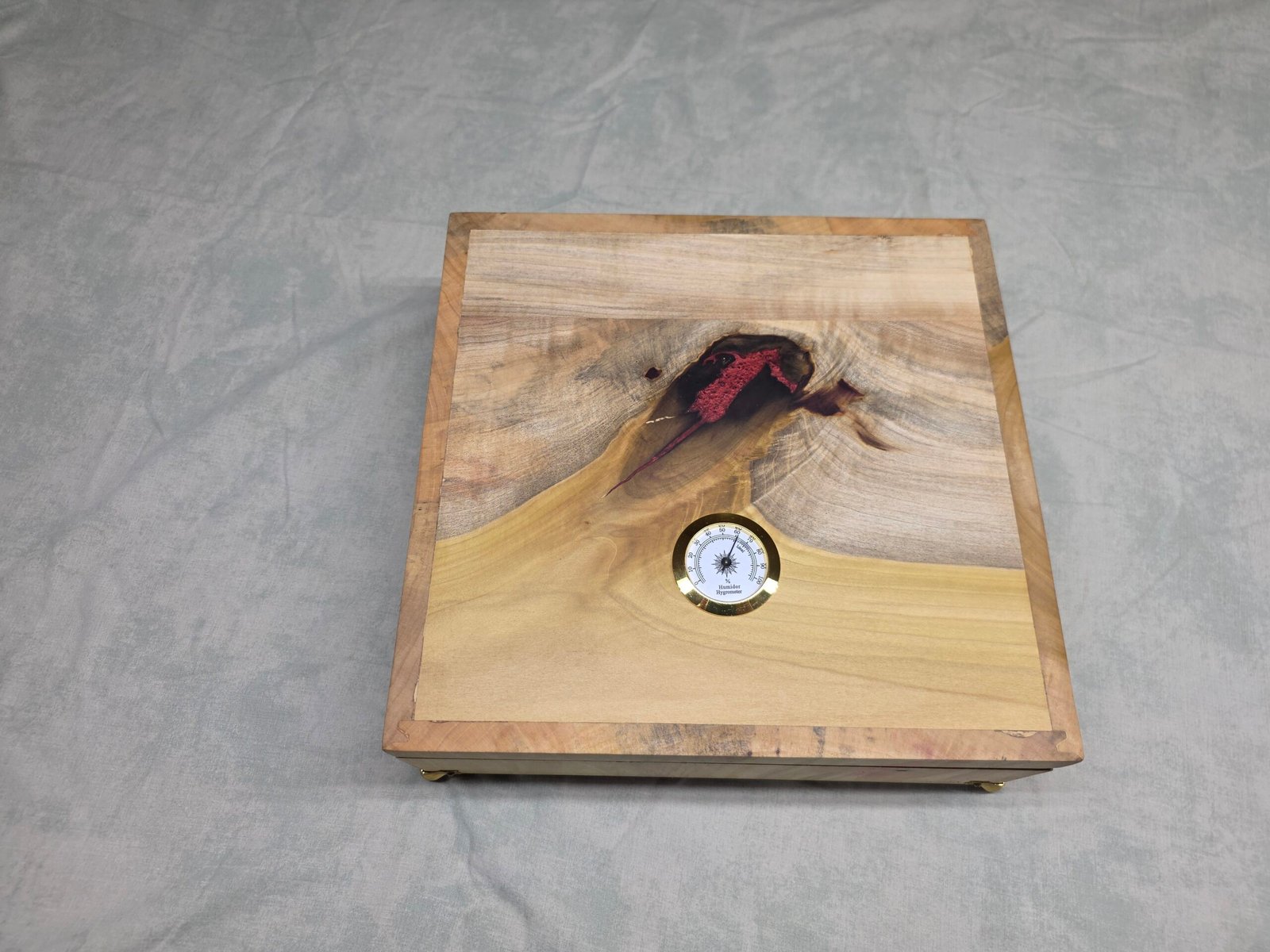
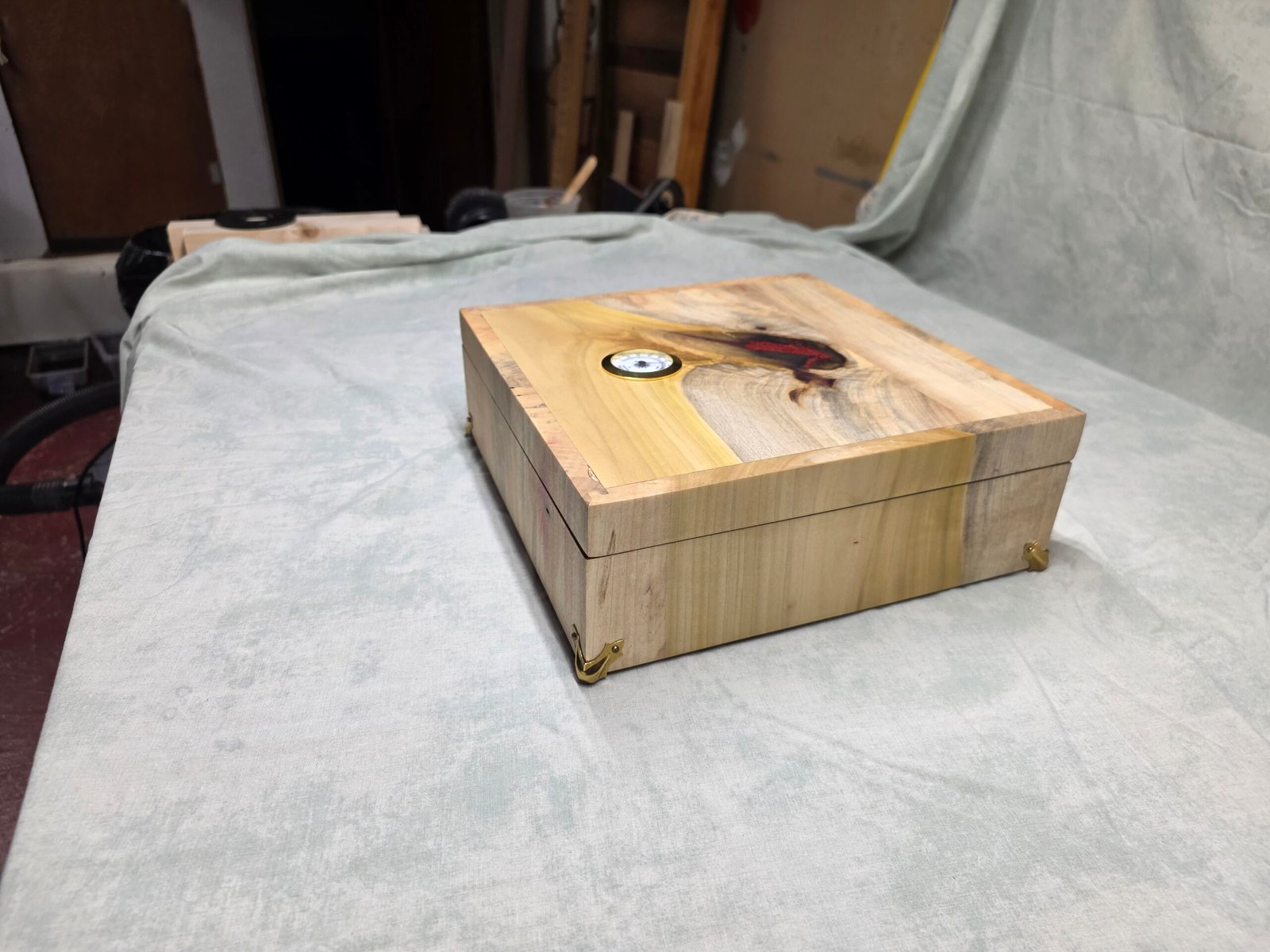
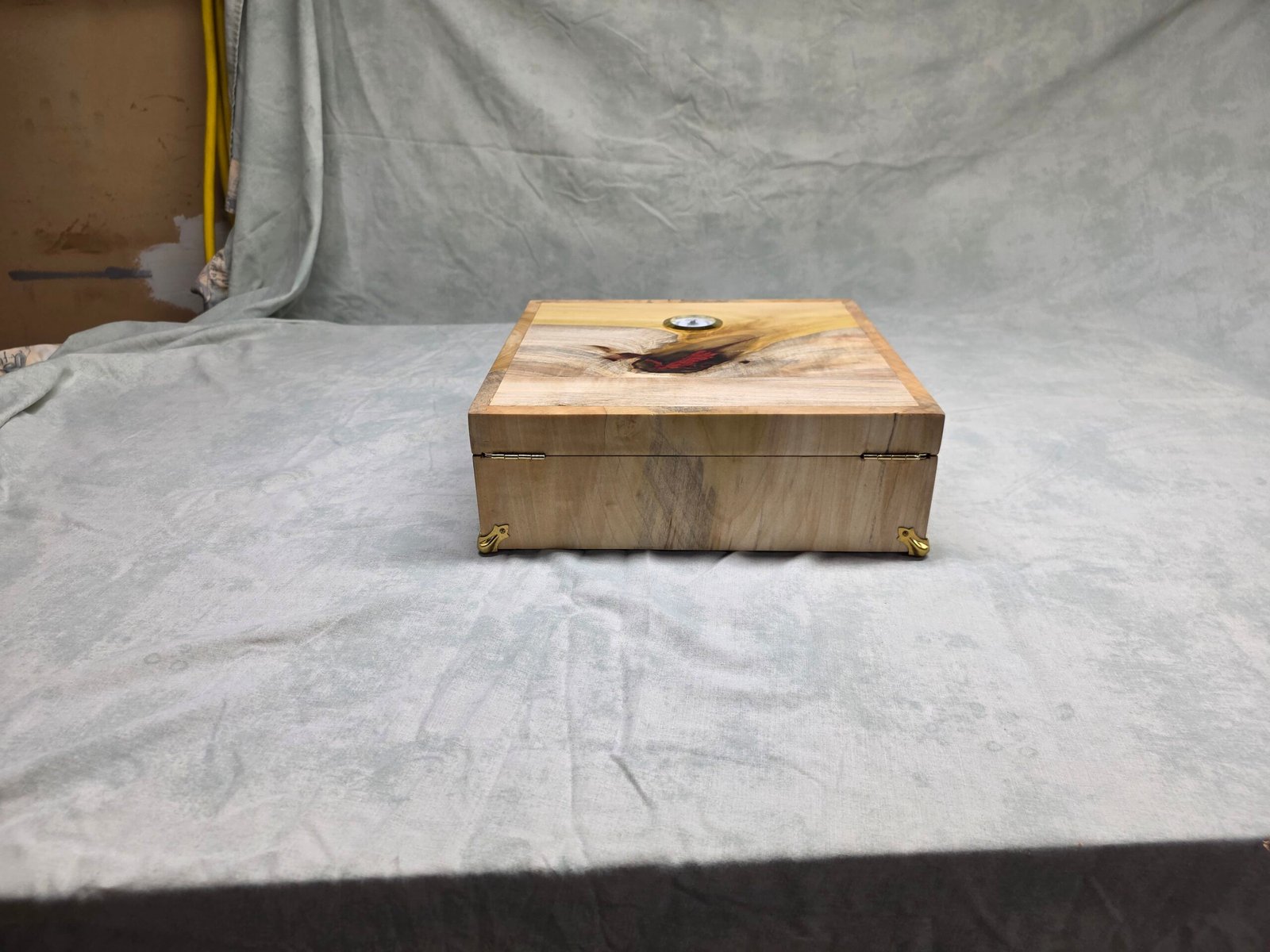
Cigar Humidor
Custom Slab River Tables
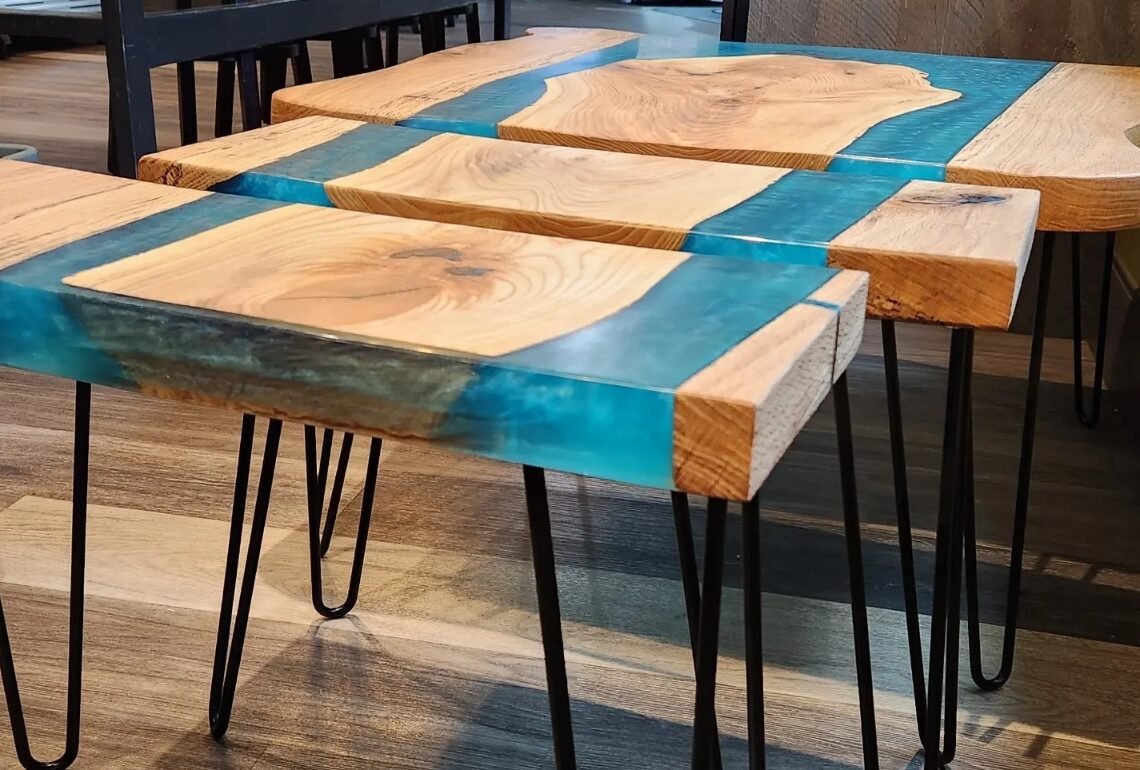
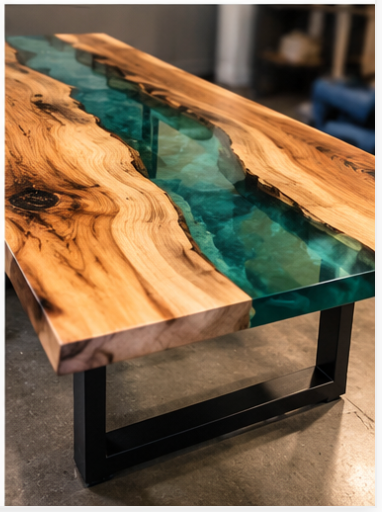
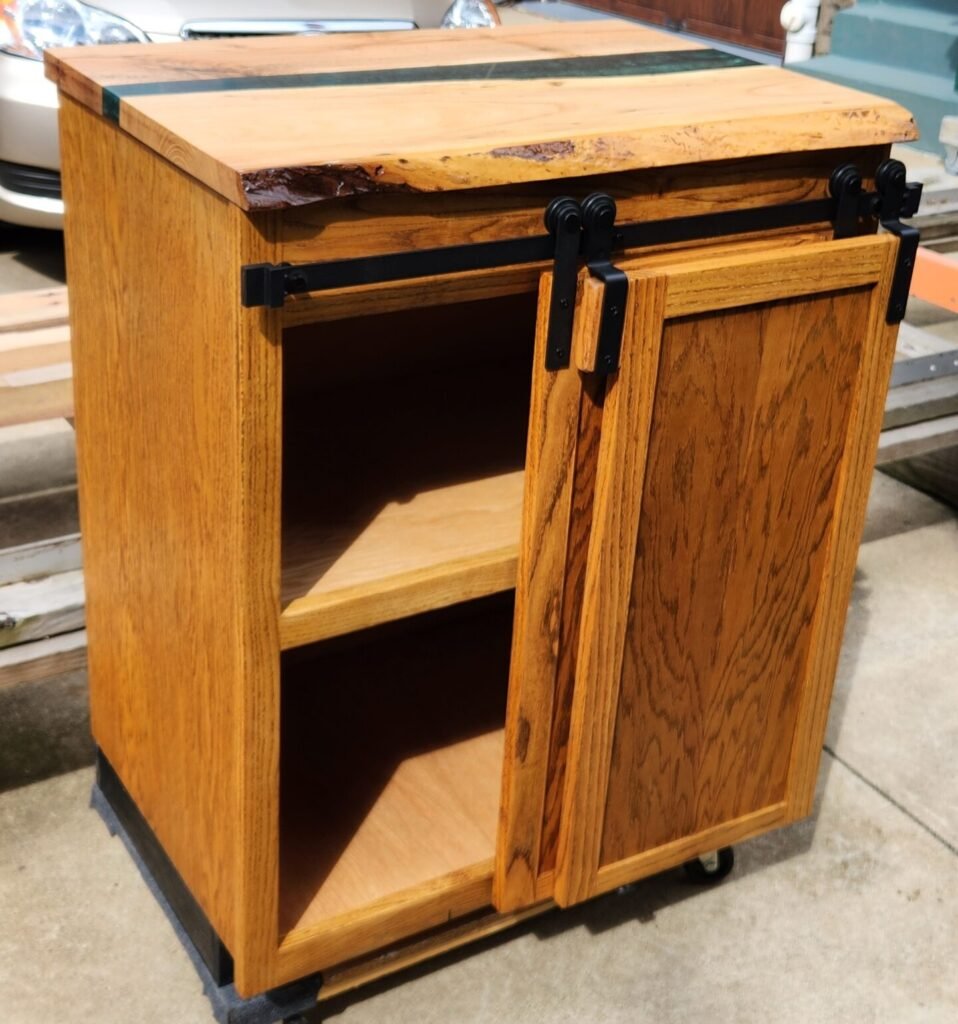
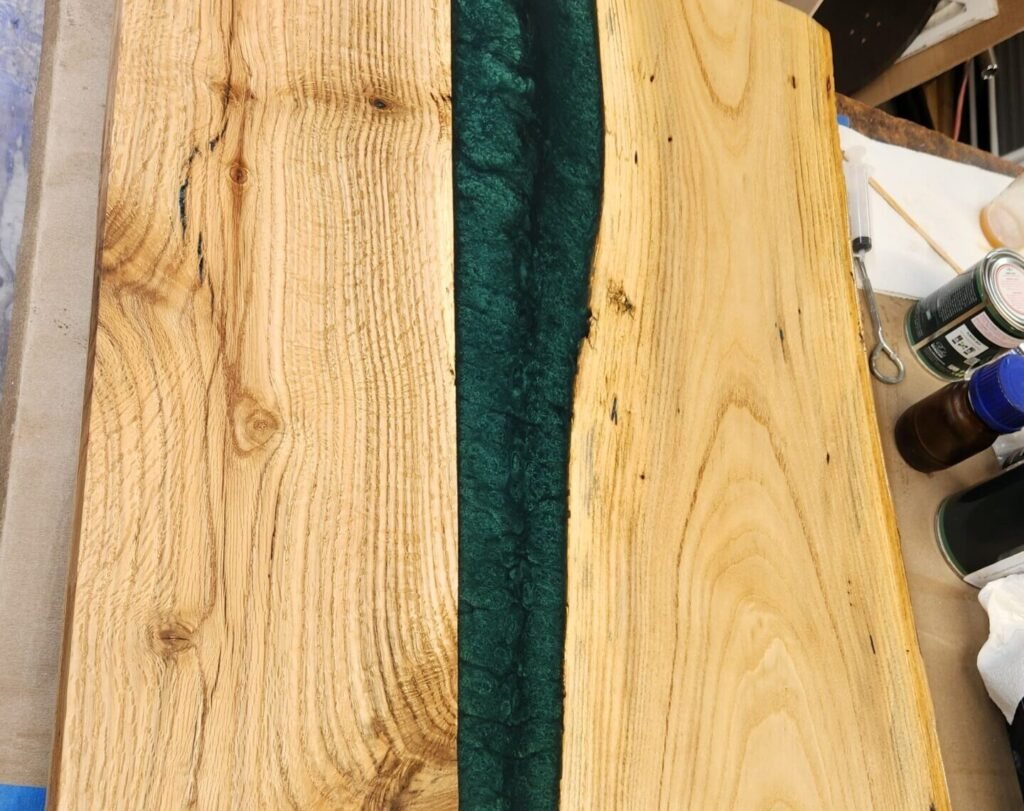
Slab river tables combine the natural appearance of wood with the distinctive look of epoxy resin. These tables typically feature two wood sections arranged around a resin channel that resembles a flowing river. The natural edges, grain patterns, knots, and color variations of the wood create visual interest, while the resin adds contrast and connects the overall design. Depending on the chosen materials and design, the result can complement rustic interiors, contemporary living spaces, offices, or dining areas.
Explore Our Traditional and Slab River Tables
Every piece of wood has its own character, and the right woodworking design helps bring that character into a useful finished product. Traditional wooden tables offer a classic appearance built around natural grain and practical construction, while slab river tables combine organic wood shapes with the visual contrast of epoxy resin. The best choice depends on your preferred style, available space, budget, and how you plan to use the table.
When considering a custom wood table, think about the room’s overall design, the furniture already in place, and the amount of everyday use the table will receive. Material selection and finishing should support both appearance and function. The following table styles illustrate different ways natural wood can be incorporated into residential and commercial interiors.
Explore Our Traditional and Slab River Tables
Traditional wooden tables remain a practical choice for homeowners and businesses that appreciate classic furniture design. Their appearance depends on the wood species, grain pattern, construction method, and finish. Some designs emphasize clean lines and simple surfaces, while others highlight natural grain variations and distinctive wood features. A carefully selected finish can enhance the timber’s natural color while helping the tabletop suit the surrounding interior.
These tables can work well in dining rooms, living rooms, offices, and multipurpose spaces. Before choosing a design, consider the required dimensions, seating arrangements, and intended use. A dining table may need a larger surface and comfortable chair clearance, whereas a side table may be designed around a smaller footprint. The goal is to select a table that complements the space while providing dependable everyday functionality.
Live Edge Slab Tables
Live-edge slab tables preserve the natural outline of the tree along one or more edges of the tabletop. Instead of removing every irregularity to create a perfectly straight border, this style allows the wood’s natural shape to become part of the design. Grain patterns, knots, color variations, and other natural features contribute to the individual appearance of each slab.
Choosing a suitable slab requires attention to more than appearance. Its dimensions, thickness, moisture condition, and structural characteristics influence whether it is appropriate for the intended furniture. Natural cracks or voids may contribute to the visual character, but unstable areas need to be assessed before construction. When the slab is properly prepared and supported, a live-edge table can introduce a natural focal point into a dining room, office, or living space.
Epoxy River Tables
Epoxy river tables combine natural wood slabs with a resin section that creates the appearance of a river running through the tabletop. The wood provides organic shapes and grain patterns, while the resin introduces a contrasting visual element. Clear resin can preserve visibility through the central section, while colored resin can create a more prominent design feature. The width and shape of the resin channel also influence the final appearance.
Successful river table production depends on proper preparation and careful material selection. The wood must be suitable for the intended application, and the resin system must be appropriate for the required pour depth and curing conditions. Once the resin has cured, the surface can be flattened, sanded, and finished according to the project requirements. These details help create a more consistent tabletop and allow the natural wood and resin to work together visually.
Custom Wooden Dining Tables
A dining table is often one of the most frequently used pieces of furniture in a home. It provides a place for meals, conversations, family gatherings, and everyday activities. A custom wooden dining table can be designed around the available room dimensions, preferred seating arrangement, and interior style. Natural wood grain also gives the tabletop a distinctive appearance that can complement both traditional and contemporary furniture.
When planning a dining table, consider its length, width, height, leg placement, and clearance around the chairs. A table that looks attractive but restricts movement can become inconvenient in everyday use. The choice of wood and finish should also reflect how the table will be used. A surface intended for frequent meals may require different care and protection from a decorative table used occasionally. Taking these practical considerations into account helps guide the design toward a suitable balance of appearance and usability.
Coffee Tables and Living Room Tables
A wooden coffee table can add warmth and useful surface space to a living room. It provides a place for books, drinks, decorative objects, and everyday essentials while contributing to the room’s overall appearance. Traditional wooden coffee tables offer a classic look, while live-edge slabs and epoxy river designs can introduce more distinctive shapes and contrasting materials.
The proportions of the table are particularly important in a living room. Its height should work comfortably with the surrounding seating, and its length and width should allow people to move around it without difficulty. Wood color and finish can also be selected to complement flooring, sofas, shelving, and other furniture. By considering both appearance and available space, homeowners can choose a coffee table that feels like a natural part of the room rather than an oversized or disconnected feature.
Custom Wood Tables for Offices and Workspaces
Wood tables can provide practical surfaces for home offices, meeting rooms, reception areas, and other workspaces. A wooden tabletop introduces natural texture into the environment while offering room for computers, documents, equipment, or everyday work activities. Depending on the setting, a traditional design may create a professional, understated appearance, while a live-edge or river table may provide a more distinctive feature.
When selecting a table for a workspace, consider the amount of surface area required, the location of cables and equipment, and the support needed for the tabletop. The dimensions should suit the available floor space without restricting movement or access to nearby furniture. Finishing is also important because work surfaces may experience regular contact, spills, and routine cleaning. Choosing suitable materials and a finish appropriate for the intended use helps balance visual appeal with practical requirements.
Choosing the Right Wood and Finish
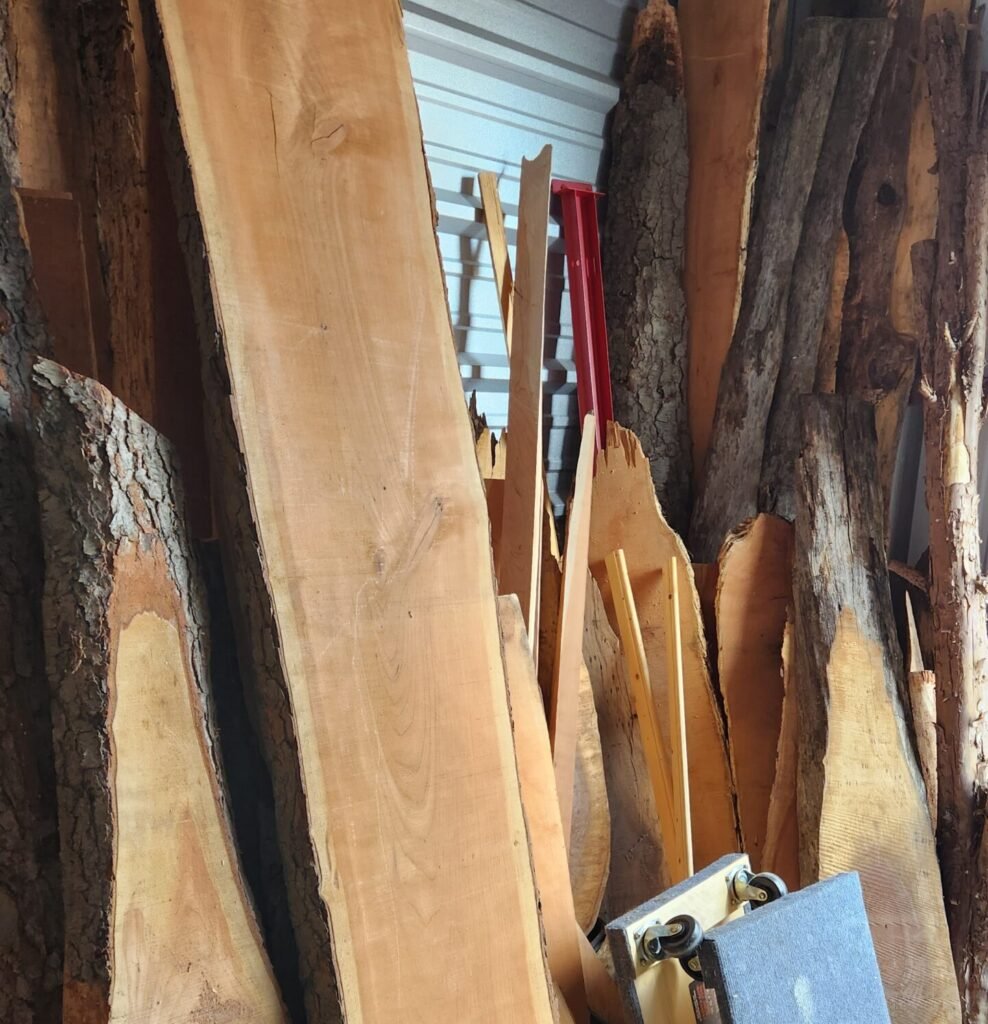
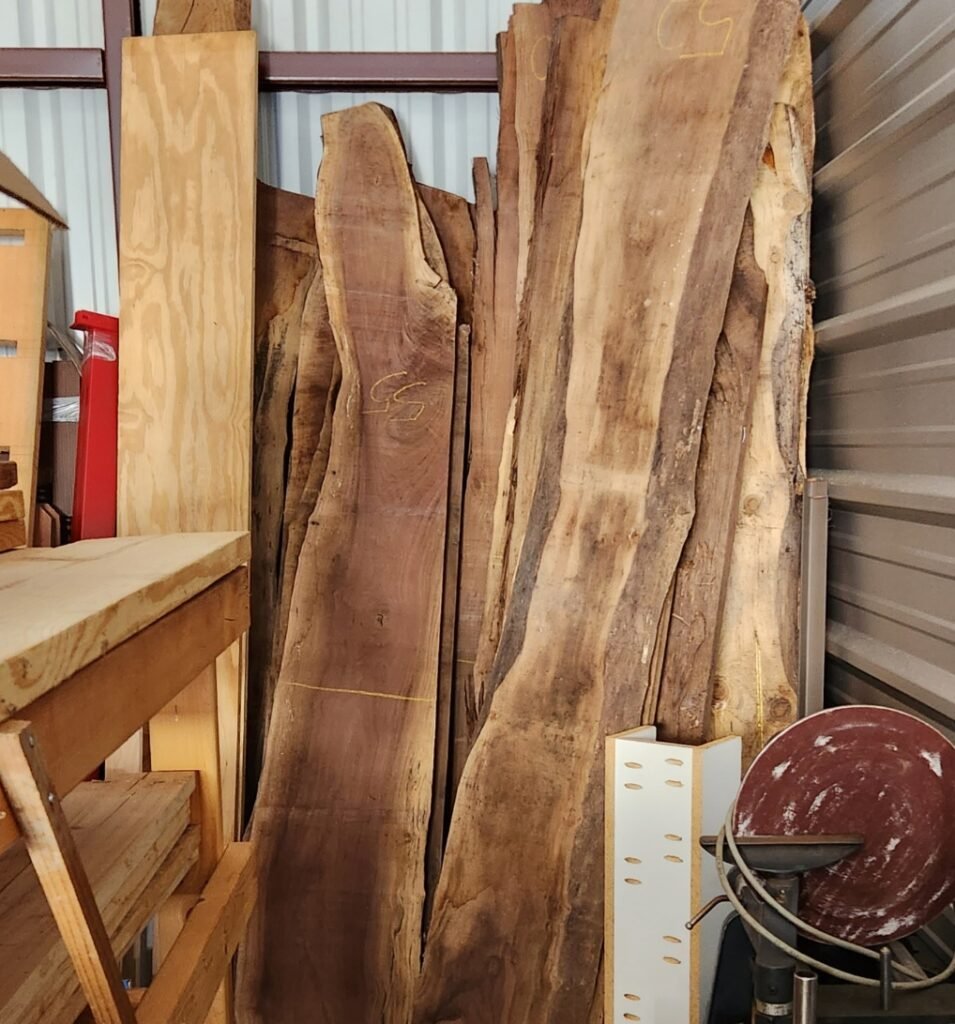
The wood species, grain pattern, slab dimensions, and surface finish all influence the appearance and performance of a finished table. Some wood features a relatively consistent grain, while other pieces contain dramatic color variations, knots, or irregular patterns. These differences can affect the overall design, particularly when two slabs are arranged together to create a river table.
Before selecting materials, consider where the table will be used, how much wear the surface is likely to receive, and the type of appearance you prefer. A dining table may require a finish suited to frequent cleaning, while a decorative table may prioritize a particular sheen or texture. Moisture condition is another important factor because solid wood naturally expands and contracts as its environment changes. Proper drying, appropriate construction, and suitable indoor care help reduce the risk of excessive movement after the table is completed.
Find a Table That Fits Your Space
Finding the right table begins with understanding how it will fit into your home or business. Measure the available area, consider nearby furniture, and allow enough room for chairs and walkways. Think about whether the table will serve as a dining surface, a living room centerpiece, an office workspace, or a decorative feature. These details help determine suitable dimensions and the type of construction required.
Discover the Character of Wood at Donovan Woodworking & Sawmill
Natural wood brings warmth, texture, and individuality to furniture. Its grain patterns, color variations, and natural edges make each piece different, even when similar woodworking techniques are used. Traditional wood tables celebrate these qualities through classic construction and straightforward designs, while slab river tables combine them with the contrasting appearance of epoxy resin. Both styles offer ways to incorporate natural materials into practical furniture for homes and businesses.
Choosing the right table involves more than appearance alone. Material condition, dimensions, structural support, finishing, and the intended installation environment all contribute to the finished result. For slab river tables, the relationship between the wood and resin is especially important because the design must account for the natural characteristics of the timber as well as the curing requirements of the resin system. Exploring these factors before starting a project can help you make more informed decisions about style, materials, and maintenance.
At Donovan Woodworking & Sawmill, our woodworking products reflect the versatility of natural wood and its potential for different applications. Explore our featured products, current projects, and available services to learn more about our woodworking work.
Serving Pittsburgh and Surrounding Communities
Donovan Woodworking & Sawmill serves Pittsburgh, Pennsylvania, and surrounding communities with woodworking products and services. The area’s homes and businesses feature a wide range of interior styles, from traditional spaces with warm wood finishes to modern interiors that combine natural materials with metal, glass, and other finishes. Traditional wooden tables and slab river tables can complement these different settings when their dimensions, materials, and design are selected carefully.
Pittsburgh’s seasonal weather is also worth considering when choosing solid wood furniture. Changes in indoor humidity can cause wood to expand or contract, particularly when heating systems create drier indoor air during winter. Properly dried wood, appropriate construction methods, and reasonable control of indoor humidity can help reduce excessive movement. Furniture placement also matters, so it is sensible to avoid prolonged exposure to direct sunlight or intense heat from nearby vents where practical.
Whether you are considering a traditional wooden table for everyday use or a slab river table as a distinctive interior feature, the first step is to identify your requirements and preferred design. Contact Donovan Woodworking & Sawmill to discuss your woodworking project and confirm current service availability in your area.
Frequently Asked Questions
A traditional wood table generally uses joined boards or a solid wood slab to create a tabletop with a classic, natural appearance. A slab river table combines natural wood slabs with an epoxy resin section between them, producing a river-like design. Both styles can be functional and attractive, but the materials, appearance, fabrication requirements, and maintenance considerations differ.
Each slab has its own grain patterns, natural edges, color variations, and other characteristics. When these features are combined with an epoxy resin channel, they create a design that is difficult to reproduce exactly. The slab arrangement, resin color, channel width, and final finish all contribute to the table’s individual appearance.
Yes. A properly constructed traditional wooden table can be suitable for everyday activities such as dining, working, and entertaining. Its durability depends on the wood, construction quality, support structure, surface finish, and how it is maintained. Selecting a finish appropriate for the intended use and protecting the surface from excessive heat and moisture can help preserve its appearance.
Wood naturally responds to changes in moisture content. When the surrounding humidity changes, wood can expand or contract, and poorly dried slabs may be more likely to develop movement-related problems. Construction that restricts natural movement can also contribute to stress. Appropriate drying, careful material selection, suitable support, and correct installation methods help reduce these risks, although natural wood movement cannot be eliminated entirely.