Traditional and Slab River Tables in Pittsburgh, PA
Custom Traditional and Slab River Tables with Natural Wood Character
A well-crafted wooden table can become an important part of a room, bringing together everyday function, natural materials, and distinctive design. Traditional wooden tables offer a timeless appearance, while slab river tables highlight the natural edges and grain patterns of wood. Both styles provide different ways to enjoy the character of natural wood through a piece designed for its intended space.
At Donovan Woodworking & Sawmill, traditional and slab river tables are an opportunity to appreciate the individuality of wood. Natural grain, color variation, live edges, and carefully considered table proportions all contribute to the final appearance. Whether you prefer a classic table design or a more distinctive river-style surface, the right design begins with the look, dimensions, and purpose you have in mind.
Featured Traditional and Slab River Tables
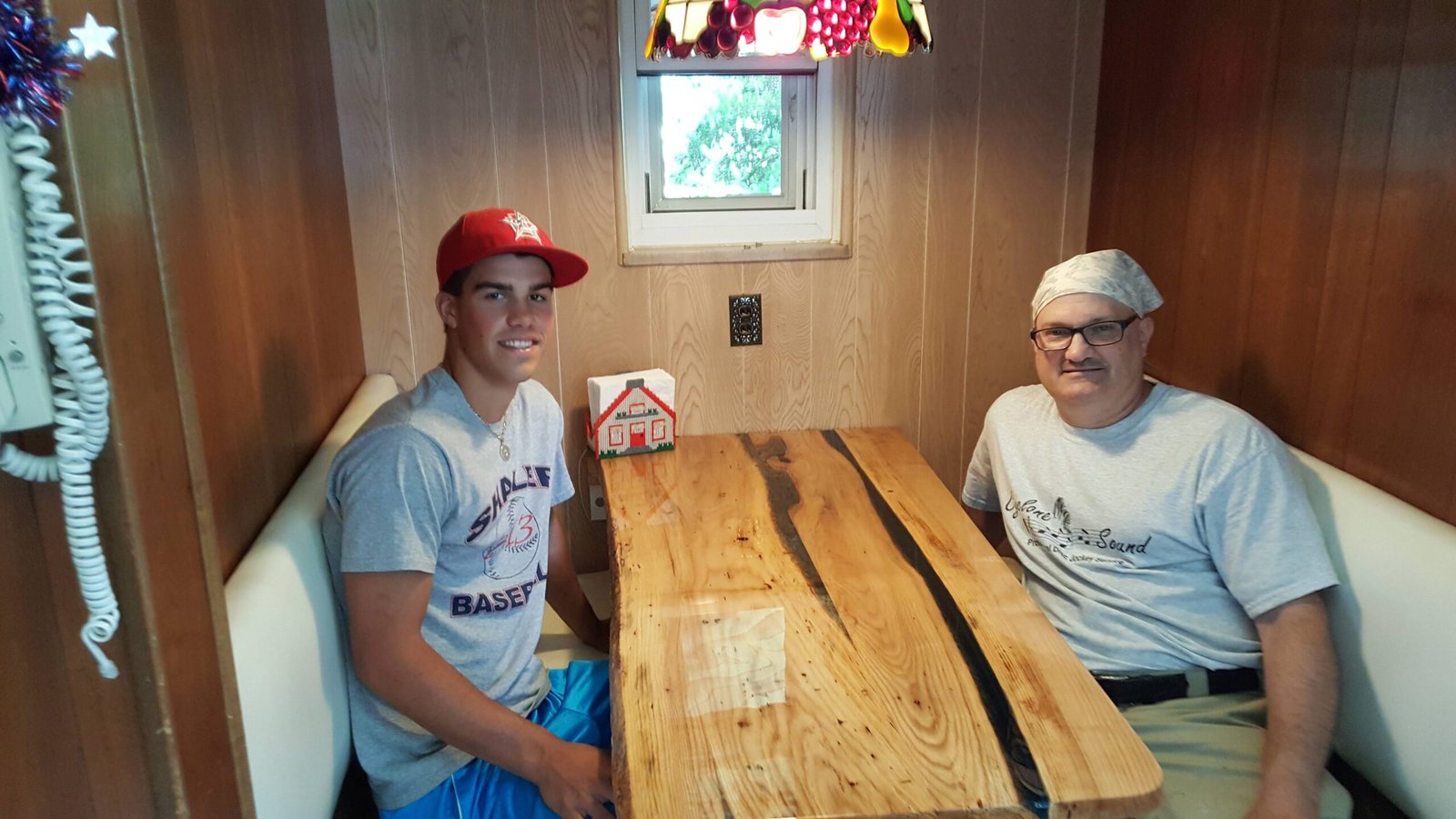
Traditional wooden tables are valued for their familiar shapes, balanced proportions, and ability to complement a wide range of interiors. Their appearance can be simple and understated or include more detailed design elements, depending on the preferred style. The natural wood surface adds warmth and texture, making a traditional table suitable for everyday use as well as a central feature in a room.
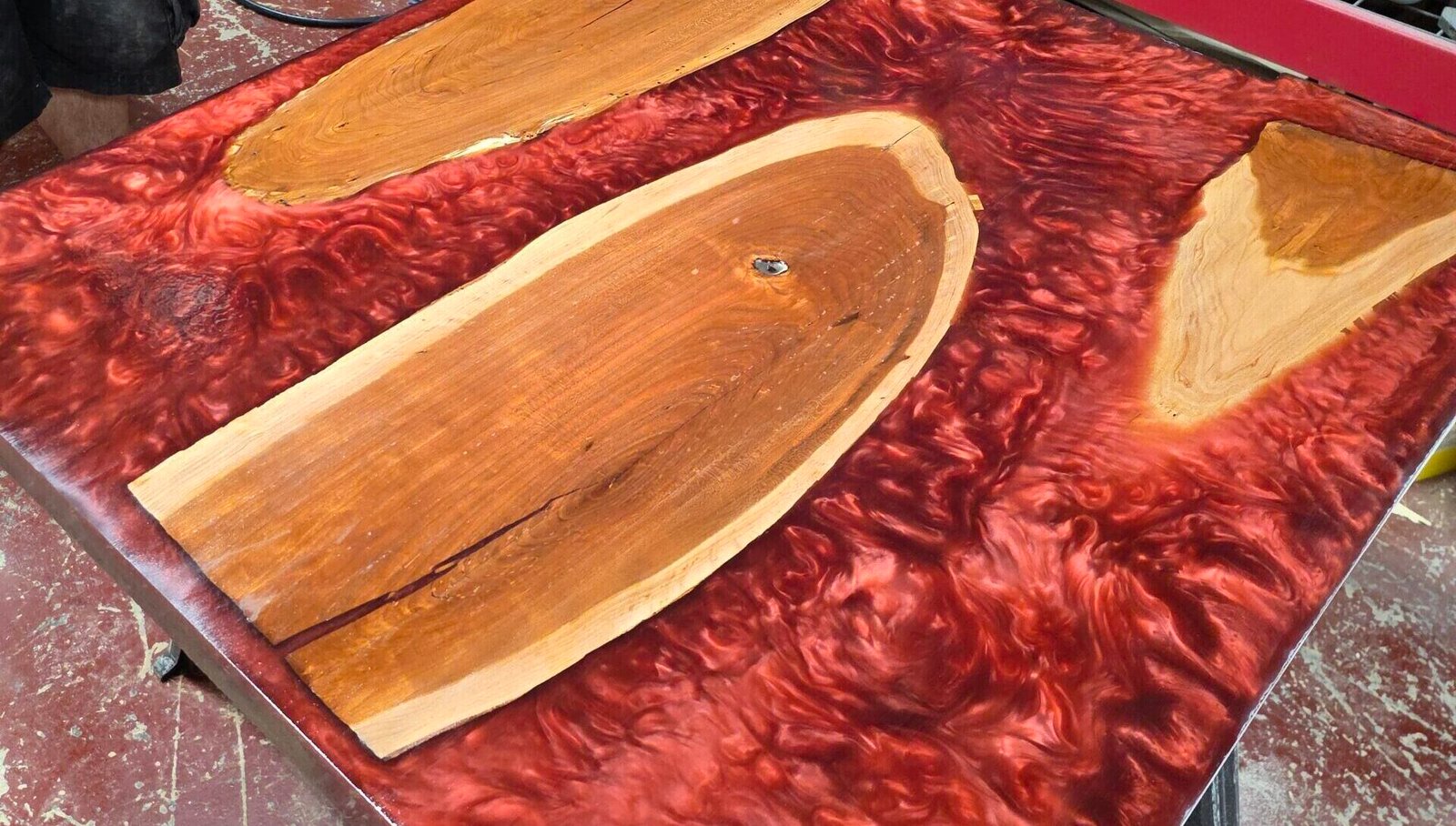
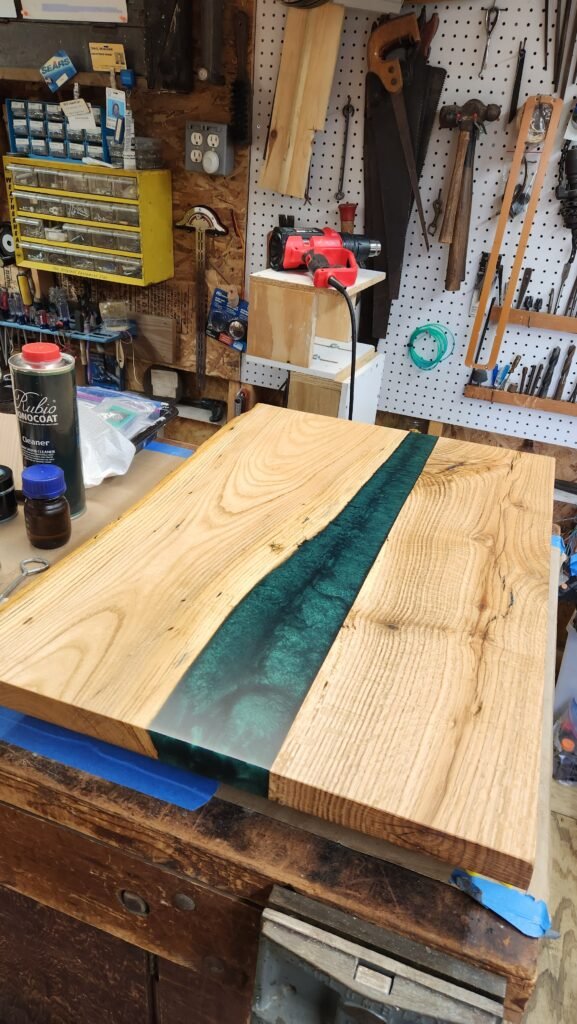
Slab river tables offer a different visual experience by combining natural wood slabs with a river-like center detail, often created using epoxy resin. The contrast between the wood’s organic edges and the flowing center design makes each table visually distinctive. Grain patterns, slab shape, resin color, and table dimensions all influence the finished appearance.
Traditional Wooden Tables
Traditional wooden tables bring together practical design and the lasting appeal of natural wood. Their familiar forms make them suitable for dining areas, living rooms, offices, and other spaces where a sturdy and attractive table is needed. The design can focus on clean lines and simple proportions or include more decorative details that give the table a more classic appearance.
The wood itself plays an important role in the finished look. Natural grain patterns, color differences, and surface texture give each wooden tabletop its own character. Table dimensions, edge profiles, leg design, and finish can also influence how the piece looks within a room. A thoughtfully planned traditional table can complement existing furniture without losing the natural beauty of its wooden surface.
Slab River Tables
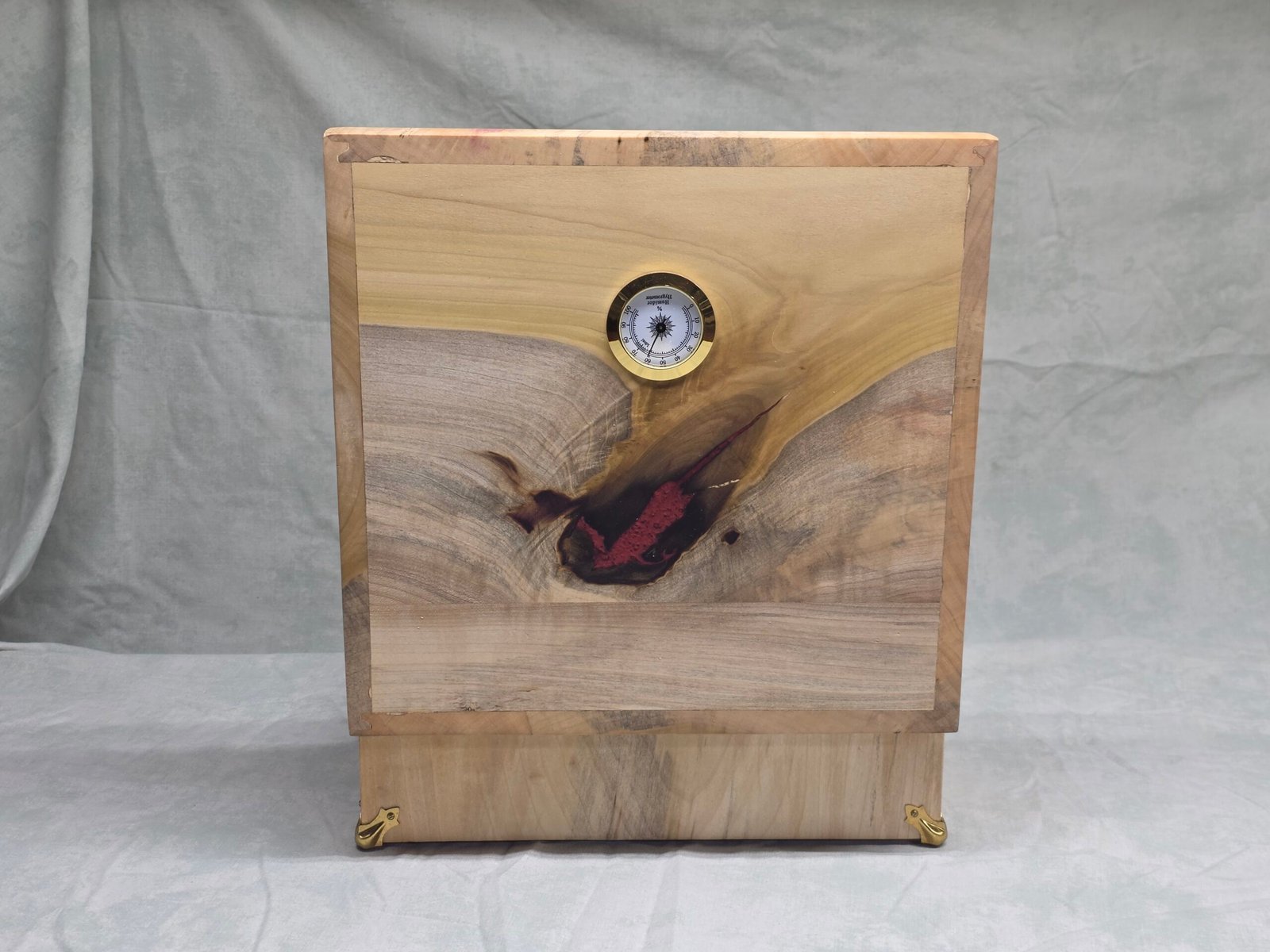
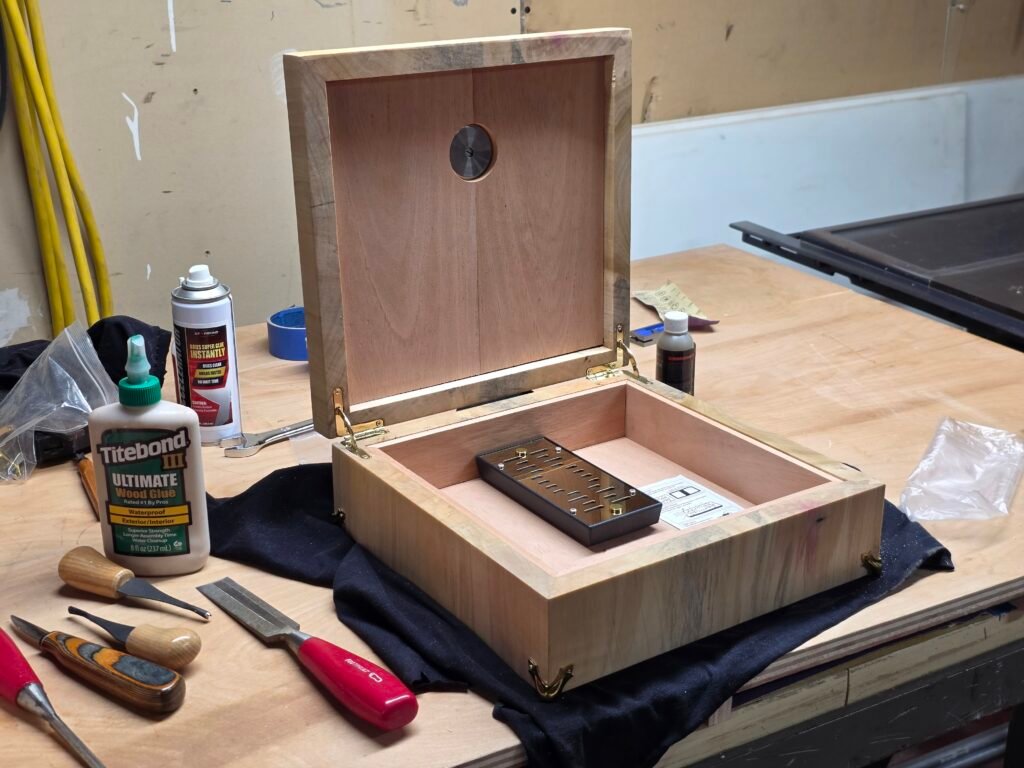
Slab river tables are known for their combination of natural wood slabs and a river-like center feature. The slabs provide the main visual character, while the center section creates contrast and connects the two sides of the design. Epoxy resin is commonly used to form this river effect, allowing the table to combine the organic appearance of wood with a smooth, flowing detail.
No two natural slabs have exactly the same grain, edge shape, or color variation. These differences help give each river table an individual appearance. The placement of the slabs, the width of the river section, resin color, and overall table proportions should be considered together so the finished design feels balanced and suits the space where it will be placed.
Live Edge Wooden Tables
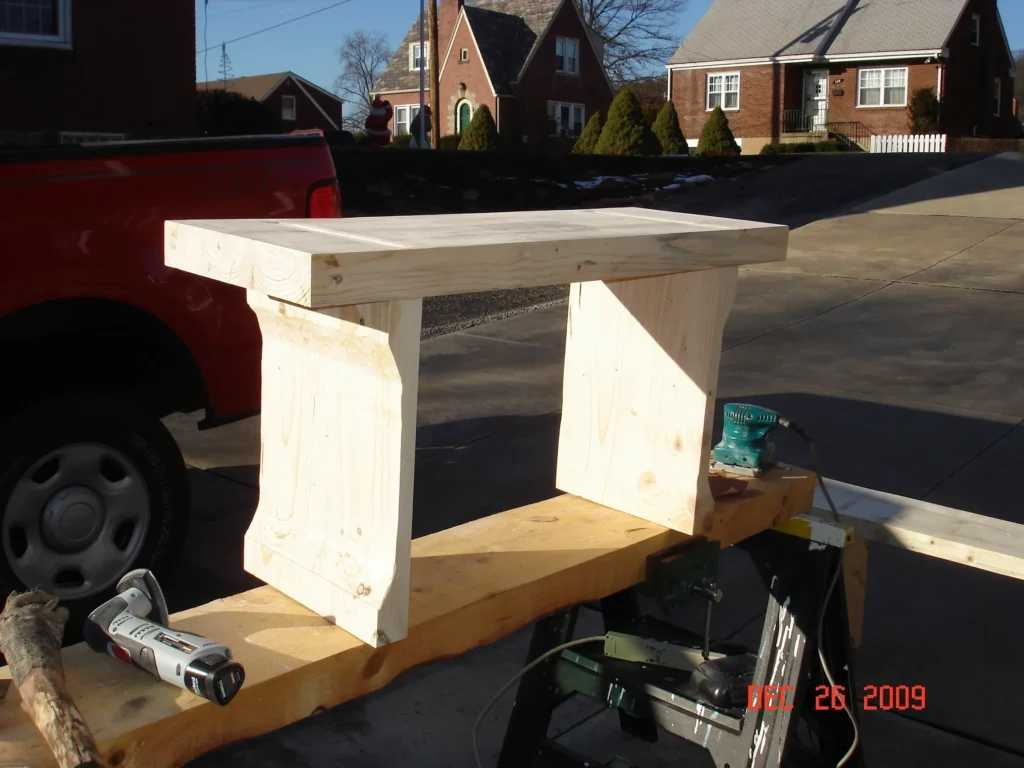
Live edge tables preserve the natural outline of the wood along one or more sides of the tabletop. Rather than cutting every edge into a straight, uniform shape, the natural edge is incorporated into the design. This allows the original character of the slab to remain visible and gives the table a more organic appearance.
The natural edge can vary in shape, texture, and contour depending on the slab. Grain direction and the overall dimensions also influence how the tabletop looks. When planning a live edge table, it is important to consider how the natural outline will work with the table base and the available space. The result can bring a distinctive natural feature into a traditional or contemporary interior.
Epoxy River Table Designs
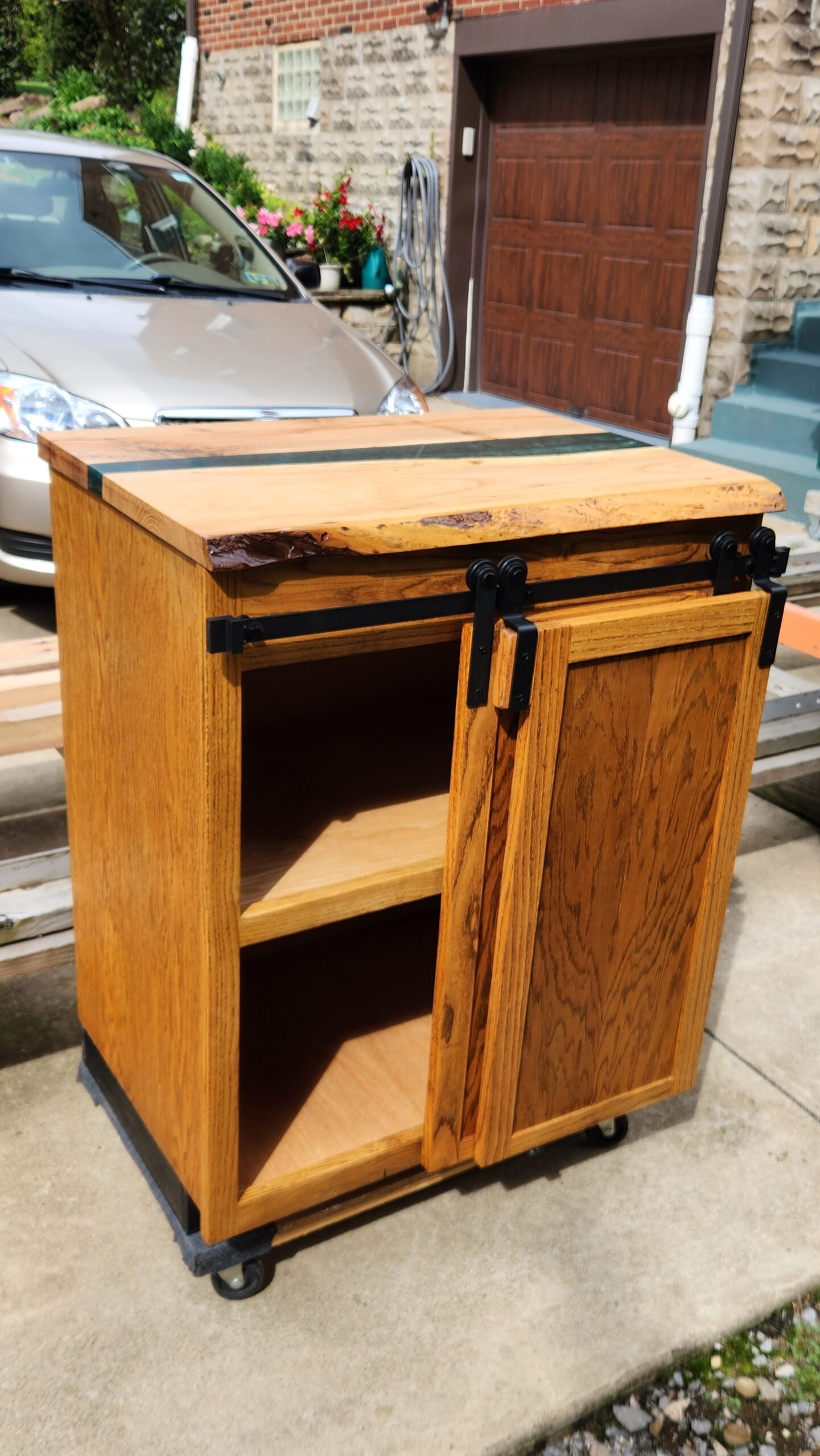
Epoxy river tables combine natural wood slabs with a resin center that creates the appearance of a flowing river. The resin section can provide visual contrast against the wood, drawing attention to the slab edges and grain patterns. The overall effect depends on the shape of the wood, the size of the center section, and the color and appearance selected for the resin.
Design planning is important because the resin should complement the natural wood rather than overpower it. A narrower river can create a more subtle detail, while a wider center section can become a stronger visual feature. Wood selection, slab arrangement, resin choice, and finishing all contribute to the final table design and should be considered as part of one complete project.
Wooden Dining Tables
A wooden dining table serves as a gathering place for meals, conversations, and everyday activities. Its size and shape should suit the room while providing comfortable space for the people who will use it. Traditional wooden dining tables offer a familiar appearance, while slab and live edge designs can introduce more natural character into the dining area.
When planning a dining table, consider its length, width, height, seating arrangement, and available clearance around it. The tabletop design should also work with the room’s existing furniture and overall style. A carefully selected wood appearance and suitable finish can help create a dining table that feels at home in the space and remains practical for regular use.
Wooden Coffee and Accent Tables
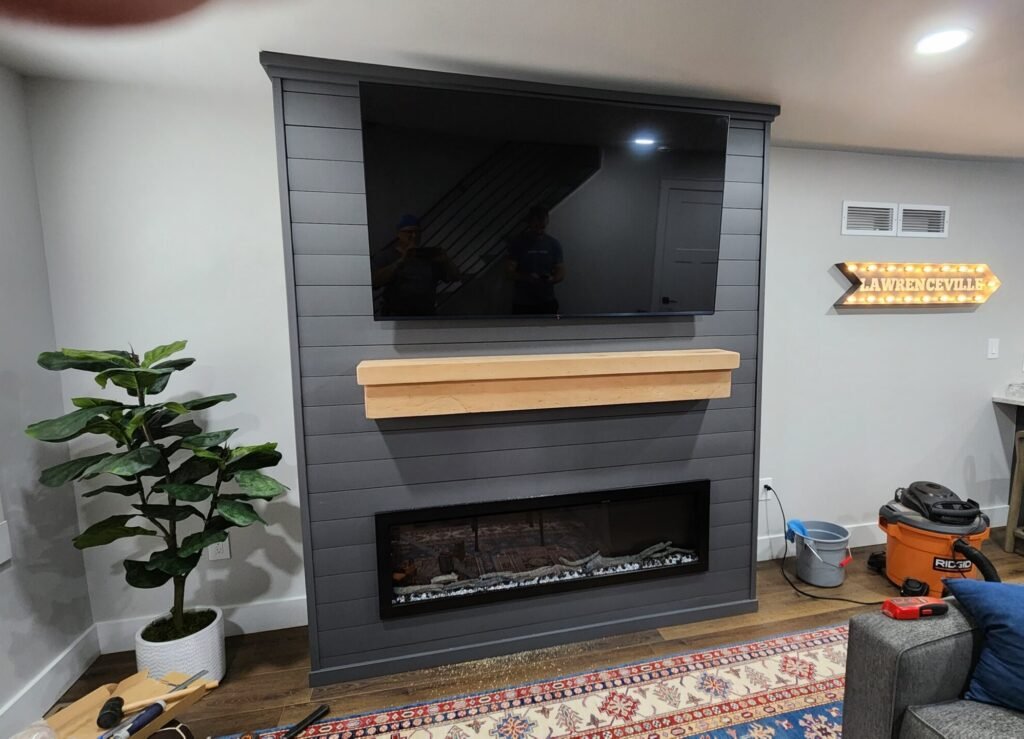
Coffee and accent tables offer an opportunity to introduce natural wood into smaller areas of a home. A traditional wooden coffee table can provide a simple, functional surface, while a slab or river-style design can create a more distinctive focal point. The size and shape should be appropriate for the surrounding seating and the available floor space.
Smaller tables can still display beautiful grain patterns, live edges, and carefully planned details. The choice of tabletop shape, height, base, and finish influences both appearance and usability. Whether the design is intended for a living room or another interior space, the goal is to create a table that feels proportionate and works naturally with its surroundings.
Natural Wood Grain, Slab Selection, and Table Finishing
The appearance of a traditional or slab river table begins with the wood itself. Grain direction, natural color, knots, figure, and edge shape all influence the final design. Some slabs have a more consistent grain pattern, while others feature noticeable variation that creates a stronger natural focal point. Selecting and arranging the wood carefully helps determine how these details will appear across the finished tabletop.
Moisture and wood movement also need consideration during table production. Wood naturally responds to changes in humidity, which can contribute to movement, cracking, or warping if the material is not properly prepared and handled. Appropriate drying, material selection, construction methods, and finishing help reduce avoidable problems. The final finish should suit the table’s intended use while allowing the natural wood character to remain visible.
Choosing the Right Traditional or Slab River Table
Choosing between a traditional wooden table and a slab river table starts with the style you prefer and the way the table will be used. Traditional designs can suit spaces where a balanced, classic appearance is important. Slab river tables are often chosen when the natural shape of the wood and the contrast of a resin center are intended to stand out as part of the room’s design.
Room dimensions are equally important. Measure the available area and consider the table’s height, width, length, seating needs, and clearance around it. You should also think about the wood’s color and grain, the tabletop edge, the base design, and the finish. Considering these details together can help you select a table that fits your space and meets your practical requirements.
Traditional and Slab River Tables in Pittsburgh, PA
If you are considering a traditional wooden table or a slab river table in Pittsburgh, PA, Donovan Woodworking & Sawmill can help you discuss your design ideas and project requirements. Sharing the intended location, approximate dimensions, preferred wood appearance, and whether you are interested in a traditional or river-style design can help establish a useful starting point.
Every tabletop has its own natural features, and those details influence the final design. From the selection and arrangement of wood slabs to the proportions of a traditional tabletop or the appearance of an epoxy river, careful planning helps bring the different elements together. Contact Donovan Woodworking & Sawmill to discuss the type of wooden table you would like for your space.
Serving Pittsburgh and Surrounding Communities
Donovan Woodworking & Sawmill serves Pittsburgh, Pennsylvania, and surrounding communities. We welcome inquiries from homeowners interested in traditional wooden tables, slab river tables, and distinctive wood furniture designs.
Have a table style in mind? Contact us to discuss your interests and learn more about our woodworking options.
Frequently Asked Questions
A traditional wooden table generally uses a more conventional tabletop shape and design. A slab river table combines natural wood slabs with a contrasting center section, commonly made with epoxy resin, to create a river-like appearance.
A live edge table incorporates the natural outline of the wood along the tabletop instead of cutting every edge into a straight line. This preserves more of the slab’s original shape and gives the table an organic appearance.
Many slab river tables use epoxy resin to create the center river effect between wood slabs. The resin’s color, transparency, and width can influence the overall appearance of the finished table.
Wood selection depends on the available materials and project requirements. Grain patterns, natural color, knots, texture, and slab shape can all be considered when planning the appearance of a traditional or slab river table.